Problems with bowel control can be difficult to talk about. Many people live with symptoms for months or even years before asking for help because they feel embarrassed or assume that nothing can be done.
Bowel leakage may be occasional and mild, or it may affect everyday decisions such as where you go, what you wear and how far you travel from home. Some people also experience urgency, difficulty holding wind or a feeling that they cannot fully control their bowel movements.
The pelvic floor muscles play an important role in supporting the bowel and helping you maintain control. When these muscles become weaker or do not work effectively, symptoms may develop.
LA-EMS is a chair-based treatment designed to stimulate the pelvic floor muscles. It may be considered for some people where muscle weakness is thought to be contributing to their symptoms. However, bowel problems can have several possible causes, so treatment should always begin with an appropriate assessment.
What Is Bowel Incontinence?
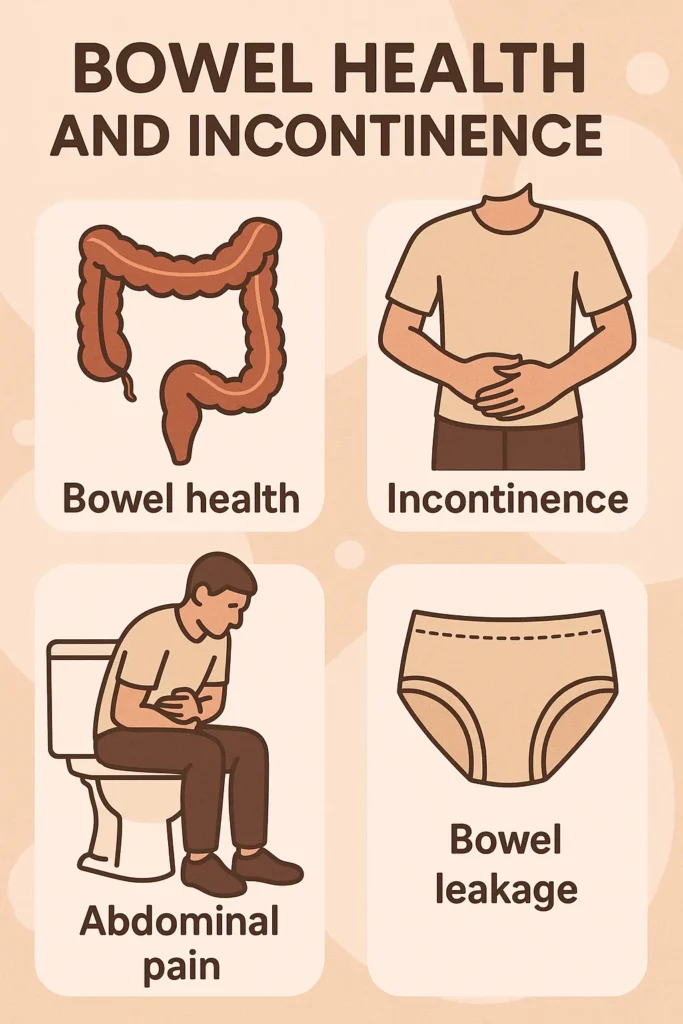
Bowel incontinence means being unable to control the passing of stools. It may involve a small amount of leakage, staining in underwear or a complete bowel movement that happens unexpectedly.
Some people mainly experience difficulty controlling wind. Others feel a sudden urge to use the toilet and cannot reach it in time.
Symptoms can vary considerably from one person to another. They may happen occasionally or become a regular concern that affects work, relationships, exercise and social activities.
Bowel incontinence is a recognised health problem, and people experiencing it should not feel ashamed about asking for advice. The NHS recommends speaking to a GP because treatment and support are available.
What Causes Problems With Bowel Control?
There is not one single cause of bowel incontinence.
Possible contributing factors include:
- Weakness or damage affecting the pelvic floor or anal sphincter muscles
- Pregnancy and childbirth
- Previous pelvic or bowel surgery
- Constipation and repeated straining
- Diarrhoea or loose stools
- Nerve-related conditions
- Reduced mobility
- Age-related changes
- Certain medicines or digestive conditions
In some cases, several factors are involved at the same time.
This is why it is important not to assume that weak pelvic floor muscles cause every bowel-control problem. New, persistent or worsening symptoms may need to be investigated by a GP or specialist before a cosmetic or non-surgical treatment is considered.
How Does the Pelvic Floor Support Bowel Control?
The pelvic floor is a group of muscles that forms a supportive base beneath the bladder, bowel and other pelvic organs.
These muscles work alongside the anal sphincter muscles to help you:
- Hold in stools and wind.
- Delay a bowel movement until you reach a toilet.
- Respond to a sudden urge.
- Empty the bowel in a controlled way.
The muscles need strength, endurance and coordination. They must be able to tighten when control is needed and relax appropriately when you use the toilet.
Where weakness is contributing to leakage, correctly performed pelvic floor and anal sphincter exercises may help improve control. NHS and NICE guidance includes pelvic floor muscle training among the management options that may be considered for bowel incontinence.
What Is LA-EMS?
LA-EMS is a non-invasive treatment that uses electromagnetic stimulation to activate the pelvic floor muscles.
During treatment, you sit fully clothed on a specially designed chair. The equipment delivers electromagnetic energy that causes the pelvic floor muscles to contract repeatedly.
The aim is to exercise muscles that may be difficult to identify or contract effectively without support.
You remain seated throughout the appointment, and no internal probe, surgery or injection is involved.
LA-EMS should not be presented as a cure for every type of bowel incontinence. It may be considered as part of a wider approach where pelvic floor weakness appears to be contributing to the symptoms.
How Might LA-EMS Support Bowel Control?
Pelvic floor stimulation is intended to encourage repeated muscular contractions.
For a suitable person, this may help improve:
- Awareness of the pelvic floor
- Muscle activation
- Strength and endurance
- The ability to tighten the muscles when control is needed
Any improvement will depend on the cause and severity of the symptoms, the condition of the muscles and the individual’s response to treatment.
Some people may also need pelvic floor exercises, bowel retraining, changes to their diet, medication or specialist treatment. The NHS notes that specialist bowel-incontinence services may review diet and medicines, recommend pelvic floor exercises and provide bowel-retraining techniques.
Who Might Consider LA-EMS?
LA-EMS may be considered for some adults who experience bowel-control symptoms alongside suspected pelvic floor weakness.
This could include people who have noticed:
- Occasional bowel leakage
- Difficulty controlling wind
- Reduced ability to delay a bowel movement
- Pelvic floor weakness after childbirth
- Reduced pelvic strength following ageing or certain procedures
- Difficulty performing pelvic floor contractions correctly
Suitability cannot be decided from symptoms alone.
A consultation should explore your medical history, how long the problem has been present and whether you have received any previous assessment or treatment.
When Should You Speak to Your GP First?
Bowel symptoms should not be ignored or treated automatically as a pelvic floor problem.
Speak to your GP if the symptoms are new, persistent, worsening or affecting your quality of life.
You should also seek medical advice if you experience:
- Blood in your stool
- Unexplained weight loss
- A lasting change in your usual bowel habits
- Significant abdominal or rectal pain
- Ongoing diarrhoea or constipation
- Black or unusually dark stools
- Fever or feeling generally unwell
- New bowel-control problems alongside weakness, numbness or neurological symptoms
Medical assessment can help identify the cause and make sure you receive the most appropriate care.
LA-EMS is not a replacement for tests, diagnosis or treatment recommended by a doctor.
What Happens During an LA-EMS Consultation?
Bowel problems can feel personal, so your consultation should take place privately and sensitively.
We will ask about:
- The symptoms you are experiencing
- When they began
- How often they occur
- Whether you experience urgency, leakage or difficulty controlling wind
- Your usual bowel habits
- Previous pregnancies and childbirth where relevant
- Previous pelvic, bowel or abdominal procedures
- Existing health conditions
- Medicines you currently take
- Any previous investigations or treatment
These questions help us understand whether weakened pelvic floor muscles could be contributing and whether LA-EMS may be appropriate.
You may be advised to speak to your GP before proceeding if your symptoms have not been medically assessed or suggest that further investigation is needed.
What Happens During Treatment?
You remain fully clothed and sit on the LA-EMS chair for the treatment session.
When the equipment is activated, you will feel repeated tightening and releasing sensations through the pelvic floor area. People often describe this as a strong but unusual muscular contraction.
The intensity should begin at a manageable level and may be adjusted according to your comfort and tolerance.
You should tell your practitioner immediately if you feel pain or become uncomfortable.
After the appointment, you can usually stand up and continue with your day. Your pelvic muscles may feel as though they have been exercised, although individual experiences vary.
Is LA-EMS Painful?
The treatment should not normally be painful, but the contractions can feel strong.
Some people adapt to the sensation quickly, while others need the intensity increased more gradually. Comfort and tolerance differ, so communication throughout the appointment is important.
LA-EMS should not be described as completely sensation-free or painless for everyone.
How Many Treatments Might Be Needed?
There is no single treatment plan that is right for every person.
The number and spacing of appointments may depend on:
- The symptoms being treated.
- How long they have been present
- The level of pelvic floor weakness
- Your response to the first sessions
- Whether treatment is being combined with other support
Your practitioner should explain the recommended plan after consultation rather than promising a fixed number of sessions or a guaranteed result.
When Might You Notice a Difference?
Changes are not always immediate.
Some people report becoming more aware of their pelvic floor muscles during a course of treatment. Improvements in control, where they occur, may develop more gradually.
Others may notice little or no meaningful change.
The underlying cause of the bowel symptoms can influence the outcome. Someone whose main difficulty is muscle weakness may respond differently from someone whose symptoms are linked to a digestive condition, nerve damage or persistently loose stools.
LA-EMS should therefore be discussed in terms of realistic possibilities rather than guaranteed results.
Can LA-EMS Replace Pelvic Floor Exercises?
LA-EMS should not necessarily be viewed as a replacement for correctly performed pelvic floor exercises.
Exercises may still be recommended to help you continue working the muscles between or after treatment sessions.
Some people find it difficult to identify the correct muscles or maintain a regular exercise routine. In these situations, professional guidance from a pelvic-health physiotherapist or specialist continence service may be helpful.
Correct technique matters. Repeatedly squeezing the wrong muscles may not address the underlying problem.
Can LA-EMS Treat Constipation?
Constipation has many possible causes, including diet, fluid intake, medicines, reduced activity, digestive conditions and problems with how the bowel empties.
Pelvic floor dysfunction can contribute to difficulty emptying the bowel in some people, but it would be misleading to claim that LA-EMS routinely treats constipation.
Treatment should be selected according to the individual problem rather than using pelvic floor stimulation as a general solution for every bowel symptom.
What Results Can You Realistically Expect?
People often contact us hoping that one course of treatment will completely resolve their bowel-control problems.
Unfortunately, no responsible practitioner can promise that.
Some people may notice improved muscle awareness or better control. Others may need additional treatment, specialist physiotherapy or medical management. There will also be people for whom LA-EMS is not the right option.
Our role is to discuss what the treatment may reasonably achieve in your circumstances and make its limitations clear before you decide whether to proceed.
Is LA-EMS Suitable for Everyone?
No. Certain medical conditions, implanted devices or individual circumstances may make electromagnetic treatment unsuitable.
A full consultation is therefore required.
Tell your practitioner about:
- Pacemakers or other implanted electronic devices
- Metal implants in or near the treatment area
- Current pregnancy or suspected pregnancy
- Recent surgery
- Epilepsy or seizure disorders
- Active cancer or current cancer treatment
- Significant heart or neurological conditions
- Any other ongoing medical treatment
This is not a complete suitability checklist. Your practitioner should follow the contraindications and safety guidance for the particular equipment being used.
Where there is uncertainty, medical clearance may be requested before treatment.
Why Choose LA LIPO?
We understand that bowel-control symptoms can be upsetting and difficult to discuss.
At LA LIPO, consultations are handled privately and without judgement. We take time to understand your symptoms and how they are affecting your daily life.
We do not assume that LA-EMS is right for everyone.
Where treatment appears suitable, we will explain:
- How the equipment works
- What the treatment feels like
- The proposed course of appointments
- The limits of the treatment
- Possible reasons results may vary
- Whether medical assessment should take place first
- The cost involved
Where another route is likely to be more appropriate, we will explain this honestly.
We aim to help you make an informed decision based on your symptoms, health history and realistic expectations.
Frequently Asked Questions
Is bowel incontinence a normal part of ageing?
Bowel incontinence can become more common as people get older, but it should not simply be accepted as an unavoidable part of ageing.
There may be treatable causes, so speak to your GP if you are experiencing leakage or reduced control.
Can childbirth affect bowel control?
Pregnancy and childbirth can place pressure on the pelvic floor and may sometimes affect the muscles or nerves involved in bowel control.
Symptoms can appear soon after childbirth or become noticeable later. An individual assessment is needed because not every postnatal bowel symptom has the same cause.
Does LA-EMS involve an internal examination?
The treatment itself is carried out while you sit fully clothed on the chair and does not require an internal probe.
However, LA LIPO does not provide a medical diagnosis. A GP or specialist may recommend a separate examination or tests depending on your symptoms.
Is there any downtime?
There is generally no planned downtime after an LA-EMS session, and many people continue with their normal daily activities.
You may notice temporary muscular fatigue or an unusual exercised feeling in the pelvic floor region.
Will the treatment cure bowel incontinence?
A cure cannot be promised.
Some people may experience improvement where pelvic floor weakness contributes to their symptoms. Others may need different or additional forms of care.
Can men have LA-EMS?
Pelvic floor weakness and bowel-control problems can affect men as well as women.
Suitability depends on symptoms, health history and any possible contraindications rather than gender alone.
Can I have treatment after childbirth?
Treatment may be considered after childbirth once you have recovered appropriately, but timing and suitability should be assessed individually.
Speak to your GP, midwife or pelvic-health physiotherapist if you have ongoing pain, significant weakness, bowel leakage or concerns about your recovery.
What should I wear?
Wear comfortable clothing that allows you to sit easily throughout the sessions.
Your clinic will advise you if any particular materials, jewellery or accessories need to be removed before treatment.
Do I still need to see my GP?
LA-EMS is not a substitute for medical assessment.
See your GP if your symptoms are new, unexplained, worsening or have not already been investigated. You should also seek medical advice promptly if you have bleeding, pain, weight loss or a persistent change in bowel habits.
How do I arrange a consultation?
Contact LA LIPO to arrange a private consultation. We will discuss your symptoms and explain whether LA-EMS may be an appropriate option.
Take the First Step Towards Better Bowel Control
Living with bowel leakage or urgency can affect confidence, relationships and everyday routines. You do not need to feel embarrassed about seeking support.
A confidential consultation allows you to discuss what has been happening and ask questions in a private setting.
We will consider whether pelvic floor weakness may be contributing, explain what LA-EMS can and cannot do, and advise you if medical assessment should take place before treatment.
Contact LA LIPO today to arrange your confidential consultation.