We offer home-based treatment for faecal incontinence, ideal for individuals with mobility challenges or concerns about travel, and designed to fit seamlessly into your schedule. Reach out to our team today for more information.
Fecal incontinence is the inability to control bowel movements and is often described as poor bowel control. It is a condition that affects people of all ages and is a type of bowel incontinence, also referred to as bowel leakage. It can lead to embarrassing situations and make daily life stressful, especially for those dealing with chronic bowel motion, nerve damage-related issues, diarrhoea, and fecal incontinence symptoms.
While various factors contribute to fecal incontinence, including injury, childbirth, or digestive issues, making changes in your diet can significantly help in managing symptoms. Furthermore, advanced non-invasive treatments like LA-EMS Incontinence Treatment offer a faster and more effective alternative to EMSella.
In this article, we’ll explore the best fecal incontinence diet and discuss how LA-EMS Incontinence Treatment can aid in improving quality of life.
Book Your Private Consultation Today
Non-Surgical Treatment For Fecal Incontinence LA-EMS Incontinence Treatment Chair
Understanding Fecal Incontinence and Its Causes
Before exploring dietary recommendations, it’s essential to understand the underlying causes of fecal incontinence. It occurs when the muscles and nerves that control bowel movements are weakened or damaged. It can happen due to:
- Childbirth: Vaginal deliveries may stretch or damage the pelvic floor muscles, leading to incontinence.
- Ageing: As we age, the muscles around the rectum and anus weaken, reducing bowel control.
- Chronic diarrhoea or constipation: Persistent digestive issues can affect bowel control, making it difficult to maintain regular movements.
- Surgical complications: Operations involving the colon or rectum may interfere with bowel function.
- Neurological conditions: Diseases like multiple sclerosis or spinal cord injuries can disrupt the signals that control bowel movements.
Managing fecal incontinence often requires a multi-faceted approach. Alongside physical treatments, adjusting your diet can improve bowel consistency and reduce the urgency associated with fecal incontinence.
Fecal Incontinence Diet: Best Foods for Managing Symptoms
The role of a fecal incontinence diet in managing overstatement. Certain foods can either trigger symptoms or help alleviate them. Here’s a look at how different types of food impact bowel movements and which ones you should incorporate into your daily diet. LA-EMS Incontinence Treatment: Expert Tips and Techniques
1. Fibre-Rich Foods
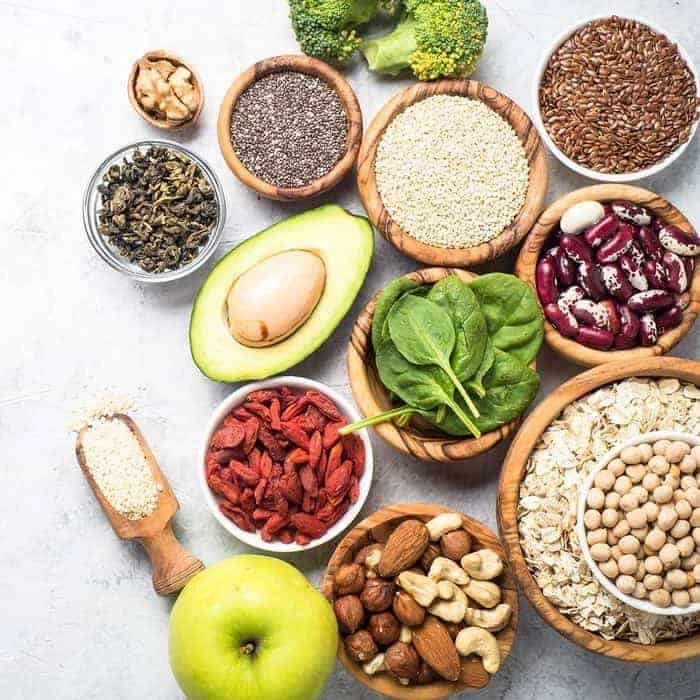
Dietary fibre is essential for maintaining regular bowel movements. It helps bulk up stool and makes it easier to pass, especially in cases of diarrhoea-related incontinence. However, fibre needs to be introduced gradually, as a sudden increase can cause gas and bloating.
- Soluble Fibre: Foods like oats, apples, bananas, and beans absorb water, which helps firm up loose stools. It can be beneficial for people suffering from diarrhoea-related incontinence.
- Insoluble fibre, found in whole grains, nuts, and vegetables, helps add bulk to the stool, which aids in managing constipation-related incontinence.
2. Hydration
Staying well-hydrated is vital, as water helps maintain a smooth digestive process. Drinking too little can cause constipation, while excessive intake may exacerbate diarrhoea. Aim for a moderate intake of water and adjust it according to your body’s needs.
3. Probiotics
Probiotics, the “good” bacteria in your gut, can promote digestive health and regulate bowel movements. Incorporating probiotic-rich foods, such as yoghurt, kefir, and sauerkraut, into your diet may help improve gut flora and reduce digestive irregularities that contribute to fecal incontinence.
4. Bananas and Applesauce
These are natural, low-fibre foods known to firm up stool. Bananas contain pectin, which helps absorb water in the stool, making it more solid. Applesauce, rich in soluble fibre, also works well for managing diarrhoea.
5. Lean Protein
Protein-rich foods such as chicken, turkey, and fish are easy to digest and less likely to trigger incontinence episodes. Opt for lean protein sources as part of a well-balanced diet to help prevent triggering symptoms.
See Our LA-EMS Incontinence Treatment Fecal Incontinence Prices Here

Foods to Avoid for Fecal Incontinence Diet
Some foods can irritate the digestive tract or cause irregular bowel movements. Here’s a list of foods that people with fecal incontinence should consider avoiding or limiting:
- Caffeine: Coffee, tea, and energy drinks can stimulate the bowel and increase urgency.
- Fatty or fried foods: These can slow digestion and lead to constipation or diarrhoea.
- Artificial sweeteners: Sorbitol, found in sugar-free products, may cause diarrhoea.
- Spicy foods: Spices may irritate the digestive system, leading to loose stools.
- Dairy products: Individuals with lactose intolerance should limit their consumption of dairy products, as it can cause gas and diarrhoea.
Keeping a Food Diary
Since triggers for fecal incontinence diet can vary from person to person, maintaining a food diary may help you identify specific foods that aggravate your condition. Recording your meals, snacks, and drinks, along with any symptoms you experience, can provide valuable insights into what works best for you.
LA-EMS Incontinence Treatment: A Revolutionary Solution
In addition to dietary changes, fecal incontinence can also be effectively managed with LA-EMS Incontinence Treatment. This advanced, non-invasive technology strengthens the pelvic floor muscles, which are responsible for controlling bowel movements and maintaining pelvic health.
How Does LA-EMS Work?
LA-EMS (Electromagnetic Muscle Stimulation) technology sends high-intensity focused electromagnetic energy to stimulate deep muscle contractions in the pelvic floor. These contractions help to rebuild muscle strength, tone, and endurance, ultimately improving bowel control. Top 10 Benefits of Non-Surgical Treatments: LA LIPO
Key Benefits of LA-EMS Incontinence Treatment
- Non-invasive: No need for surgery or medications, making it a safe option for many patients.
- Strengthens pelvic muscles: Helps restore muscle function and improve control over bowel movements.
- Quick and painless: Sessions typically last around 30 minutes, with no downtime or recovery period required.
- For long-term results, many patients report noticeable improvements in bowel control after just a few sessions.
Combining Diet and LA-EMS for Optimal Results
To achieve the best outcomes in managing fecal incontinence, it’s advisable to combine dietary adjustments with LA-EMS Incontinence Treatment. The combination of a well-balanced diet and regular treatment sessions can significantly reduce the severity of incontinence episodes, improve bowel regularity, and strengthen the muscles necessary for control.
Practical Tips for Managing Fecal Incontinence Diet
- Eat smaller, more frequent meals: This helps avoid overwhelming the digestive system and reduces the chances of loose stools.
- Exercise regularly: Regular physical activity supports digestion and can naturally strengthen the pelvic floor muscles.
- Use the bathroom regularly: Don’t wait for an emergency. Regular bathroom breaks can help train your body to follow a schedule, thereby reducing the likelihood of accidents.
- Seek medical advice: If diet and non-invasive treatments like LA-EMS don’t fully control your symptoms, consult a doctor for further evaluation and potential medical interventions.
Contact us today to schedule your appointment with LA-EMS Incontinence Treatment.
Lifestyle Changes Beyond Fecal Incontinence Diet and Treatment
In addition to diet and LA-EMS treatment, specific lifestyle changes can further enhance control over fecal incontinence:
1. Regular Exercise
Engaging in regular physical activity can improve overall bowel health. Exercises focusing on the pelvic floor, such as Kegel exercises, can specifically strengthen the muscles responsible for bowel control and continence.
2. Stress Management
Stress can exacerbate digestive issues. Incorporating relaxation techniques, such as yoga, meditation, or deep breathing exercises, can help manage stress levels and contribute to improved digestive health.
3. Scheduled Bowel Movements
Establishing a routine for bowel movements can help train the body to respond at certain times, enhancing control and predictability.

FAQs
Q: What foods should I avoid if I have fecal incontinence?
A: Foods like caffeine, fatty or fried foods, artificial sweeteners, spicy dishes, and dairy can aggravate fecal incontinence symptoms. Keeping a food diary may help identify specific triggers.
Q: How can fibre help with faecal incontinence Diet?
A: Soluble fibre can help firm up loose stools, while insoluble fibre adds bulk to stool, making it easier to pass. Gradually introducing fibre into your diet can improve bowel regularity.
Q: Can LA-EMS Incontinence Treatment cure fecal incontinence?
A: While LA-EMS Incontinence Treatment can significantly improve muscle strength and bowel control, combining it with dietary changes and lifestyle adjustments offers the best results. It’s not a cure, but it can effectively manage symptoms. It is also FDA-approved and completely safe.
Q: How many LA-EMS sessions will I need?
A: The number of sessions needed varies from person to person. However, many patients notice improvements after a few treatments. Your practitioner will tailor a plan specifically to your needs.
Q: Is the LA-EMS treatment painful?
A: No, LA-EMS is a painless and non-invasive treatment and a real Alternative to EMSella. Patients often describe the sensation as a mild muscle contraction, similar to a workout.
Q: Are there any side effects of LA-EMS treatment?
A: LA-EMS is generally well-tolerated, but some individuals may experience mild discomfort during the sessions.
Q: How can I identify trigger foods for my symptoms?
A: Keeping a food diary can help you track what you eat and how it affects your bowel movements, allowing you to identify potential triggers.
Q: Is it possible to improve fecal incontinence symptoms over time?
A: Yes, with consistent dietary management and appropriate treatments, many individuals see significant improvements in their symptoms.
Q: Should I consult a professional for dietary advice regarding a fecal incontinence diet?
A: Yes, consulting with a nutritionist can provide personalised guidance to help you manage your condition effectively.
Stop your concerns today – With our non-invasive incontinence treatment for men and women.
Get In Touch
Fecal incontinence can be a challenging condition to manage. With the right dietary control choices. Innovative treatment options like LA-EMS. Healthcare specialists can help individuals regain confidence. Control over their lives in clinical practice.
By focusing on a balanced diet rich in fibre intake. Hydration and understanding personal triggers. Along with the benefits of working with a dietician. For personalised weight loss advice. Including considerations for obesity. Taking the next step with LA-EMS treatment. Makes managing fecal incontinence a more achievable goal.
Suppose you or a loved one is struggling with fecal incontinence. Consider consulting with a healthcare professional. To discuss dietary strategies. The potential of LA-EMS Incontinence Treatment. At LA Lipo, we are dedicated to providing practical solutions. That enhances your quality of life.